

أتابع أكبر قنوات مراجعة أحذية كرة القدم على يوتيوب، وأسمع نفس العبارة من أشهرها دائمًا: الحذاء لن يجعلك لاعبًا أفضل. لا أتفق مع هذا الكلام. الموضوع أعقد من ذلك.
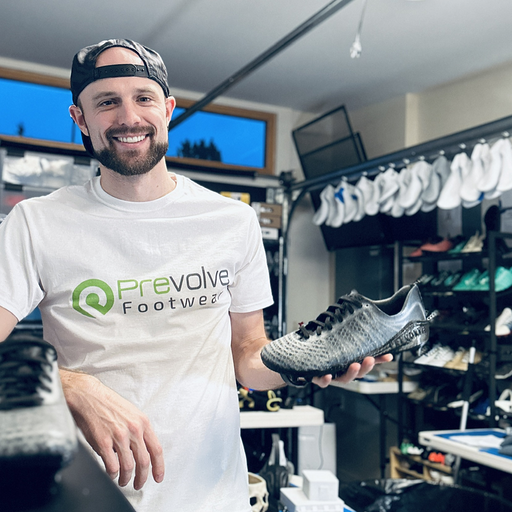
ألعب كرة القدم منذ 25 عامًا، وأصمم أحذية كرة القدم منذ معظم العقد الماضي، فلديّ آراء واضحة في الموضوع. وأنا أيضًا أبيع أحذية كرة القدم، فهذا المقال غير متحيز تمامًا. غير متحيز تمامًا. أعدك.
المراجعون على حق في نصف الكلام، والنصف الذي يخطئون فيه هو الأهم. اللاعب مكوّن من طبقات متراكمة، والحذاء يلمس كل طبقة بشكل مختلف. بعض الطبقات لا يمكن للحذاء الوصول إليها على الإطلاق، وبعضها يحدده الحذاء بصمت. لهذا سأتناول الموضوع طبقة تلو الأخرى، من الأعلى إلى الأسفل.

تسوّق أحذية كرة القدم المصممة خصيصًا
الذكاء الكروي: الجزء الذي لا تستطيع الأحذية لمسه
لنبدأ من القمة. أفضل اللاعبين الذين واجهتهم في حياتي لم يكونوا أسرع أو أقوى مني. كانوا يعيشون في زمن مختلف. كانوا يرون التمريرة قبل ثانيتين من وجودها فعليًا، وبحلول الوقت الذي أتفاعل فيه، كانت الكرة قد رحلت. هذا هو الذكاء الكروي، وهو أكبر ما يفرّق بين مستوى وآخر.
ميسي هو النسخة القصوى من هذا. يمرّر كرات لا يراها أحد آخر في الملعب، ويسجل أهدافًا لا يسجلها معظم اللاعبين طوال حياتهم، ويفعل ذلك كل أسبوع. هذا يأتي من قراءته للعبة، لا من حذائه. ضعه بحذاء رخيص من أي متجر عادي، وسيظل أفضل لاعب في الملعب.
إذن لا يوجد حذاء يجعلك أذكى. أقصى ما يمكن أن يفعله الحذاء في هذه الطبقة هو أن يقف في طريقك. وهذا يقودنا إلى الحد الأدنى.
الراحة هي الحد الأدنى
إذا كان حذاؤك يضايقك، أو يسبب بثورًا، أو ينزلق، فجزء من تركيزك يكون في قدميك بدل الملعب. تقرأ اللعب متأخرًا وتفوّتك الجريدة. الأحذية غير المريحة تجعلك أقل ذكاءً، بالمعنى الحرفي للكلمة.
تبيّن أن هذا قابل للقياس بشكل لم أتوقعه. في دراسة أُجريت عام 2001، أُعطي 206 جنديًا نعالًا داخلية بأشكال وخامات مختلفة وسُئلوا عن الأكثر راحة. النعال التي اعتبروها الأكثر راحة كانت أيضًا التي قلّلت الإصابات في القدم والكاحل والركبة والحوض وأسفل الظهر. جسمك يعرف ما يناسبه أكثر من أي حملة تسويقية.
لذا فإن أرخص تحسين في هذه الرياضة هو حذاء تنساه على قدمك. كل ما سيأتي بعد هذا السطر يفترض أنك حققت هذا الأساس.
المهارة هي الثبات
المهارة الجيدة تعني التكرار. هل تستطيع ضرب نفس نقطة الكرة، بنفس الطريقة، ألف مرة؟ يمكن للحذاء أن يحرّك هذه النسبة بضع درجات: جزء علوي ثابت، مقاس مضبوط، تحكم متوقع بالكرة.
الجزء الذي فاجأني جاء من مختبر لدراسة الحركة الحيوية في إيسن بألمانيا، حيث اختبروا خصائص الأحذية واحدة تلو الأخرى لمعرفة ما يغيّر سرعة التسديد. صلابة النعل السفلي لم تغيّر شيئًا. تخفيف وزن الحذاء لم يغيّر شيئًا. ما كان مهمًا هو قوة التماسك للقدم الثابتة، لا القدم الضاربة، بل القدم التي تقف عليها. التسديدة هي دوران للجسم كله، والقدم الثابتة هي المحور الذي يدور حوله. إذا انزلقت هذه القدم أو التوت قليلًا، يشعر جسمك بذلك ويخفض القوة بصمت حتى تبقى متزنًا. دقة قدمك الضاربة لا تتجاوز دقة القدم التي تقف عليها. هذه النتيجة مدمجة في تصميم موديلنا لكرة القدم: لهذا زوّدناه بحامل كعب أصلب من مادة PCTG، ليثبّت الكعب الواقف بينما يدور كل شيء حوله.
وجد المختبر نفسه أن اللاعبين يسدّدون بسرعة أكبر حفاة مقارنة بالحذاء. السبب الحركي: القدم الحافية تتجه للأسفل بزاوية أكبر عند الاصطدام وتتصل بالساق بشكل أكثر صلابة، فيصل جزء أكبر من سرعة الساق إلى الكرة. وأضيف أنا أمرين يفعلهما الحذاء بالتسديدة. الأول أنه يضع وزنًا في نهاية أسرع جزء متحرك في جسمك: الفرق بين حذاء وآخر قد يكون بضعة غرامات، لكن خلع الحذاء تمامًا يزيل كل ذلك الوزن. والثاني أنه يضع حشوًا بين قدمك والكرة. الحشو حماية جيدة، لكنه يمتص أيضًا جزءًا من الضربة. لهذا الجزء العلوي في موديلنا لكرة القدم هو الأخف بيننا: يكفي لحماية قدمك، ولا يكفي لإخماد قوة التسديدة.
قدمك هي السلاح. مهمة الحذاء أن يتنحى عن طريقها، وأن يحافظ على القدم الأخرى ملتصقة بالأرض.
هناك تنبيه واحد: النسب تحتاج إلى أساس تُحسب منه. إذا لم تكن تعرف كيف تسدّد الكرة بعد، فلن يعلّمك أي حذاء ذلك. هذه الطبقة مخصصة للاعبين الذين بذلوا الساعات فعلًا.
التماسك والمرابط والقدرة الرياضية
السرعة والرشاقة والتوازن: هذه تظهر في لحظات محددة. الوثبة لضرب الرأس، أو المراوغة أمام مدافع. الأحذية لها دور هنا أيضًا، وكل خيار له مقابل يُدفع.
المرابط المخروطية تنفصل عن الأرض بسهولة، فتستطيع الدوران دون أن تتدخل ركبتك في الأمر. المرابط الشفراتية تتمسك بالأرض بقوة، فتحدث المراوغة فورًا بدل أن تتأخر جزءًا من الثانية. لهذا يميل لاعبو الوسط للمرابط المخروطية والأجنحة للمرابط الشفراتية.

هذا التماسك له تكلفة. أفضل بيانات متوفرة لدينا قديمة لكنها واسعة: دراسة استمرت ثلاث سنوات على 3,119 لاعب كرة قدم أمريكية في المدارس الثانوية وجدت أن تصميم المرابط الشفراتية "edge" أعطى أعلى قوة تماسك دوراني، لكنه أيضًا حمل معدل إصابات في الرباط الصليبي الأمامي أعلى من التصاميم الثلاثة الأخرى مجتمعة. رياضة مختلفة، وأحذية من عام 1996، واللاعبون اختاروا أحذيتهم بنفسهم، فتعامل مع هذا كاتجاه لا كحكم نهائي. لكن الاتجاه واضح بما يكفي: المربط الذي لا يترك العشب لا يترك ركبتك أيضًا.
ثم هناك موضع المرابط نفسه. لوحة مرابط مصممة على قدم متوسطة تضع المرابط تحت عظام قدم متوسطة. إذا كانت قدمك أعرض من ذلك، فجزء منها يتجاوز حافة اللوحة، وفي المراوغة القوية تدفع نفسك من جانب الجزء العلوي للحذاء بدل مربط فعلي. بصفتي مصممًا: هذا بالضبط سبب وضعنا المرابط تحت عظامك الحقيقية، المأخوذة من مسحك الخاص، لا من قدم شخص آخر.

تعمقت في هذا الموضوع في مقال لماذا يهم موضع المرابط.
طبقة الصحة
لا تستطيع الأداء إذا كنت مصابًا، ولا تستطيع التطور إذا لم تتمكن من التدريب. هذه الطبقة التي تتجاهلها إعلانات الأحذية تمامًا، وهي أكبر الطبقات جميعًا.
قصتي الخاصة: بدأت اللعب في السادسة من عمري، وكما كل الأطفال، حشرت قدميّ في أي حذاء يشتريه والداي. في السادسة عشرة كنت أرتدي Nike Mercurial Vapor 3 وألعب كل يوم. في ذلك الوقت كان شعري ما زال موجودًا، وكنت أنوي جديًا الاحتراف. لكن ركبتيّ كانت لهما رأي آخر. طوّرت التهاب وتر الرضفة في كلتا الركبتين، ولم يفلح العلاج الطبيعي في حل المشكلة، ولا عمليتان جراحيتان، واحدة لكل ركبة، لأن أحدًا لم يبحث عن السبب الحقيقي.
السبب كان بسيطًا جدًا. قدماي عريضتان، وقضيت عقدًا كاملًا في أحذية ضيقة. أصابعي لم تستطع التمدد، وقدماي لم تستطيعا القيام بنصيبهما من العمل، فامتصت ركبتاي ما كان يجب أن تمتصه قدماي. أصبت بورم حقيقي في إصبع قدمي اليمنى الكبير كدليل. ثم قرأت كتاب Born to Run، وجرّبت الركض حافي القدمين على العشب، فلم تعد ركبتاي تؤلمانني. كانت تلك القرينة التي تحوّلت في النهاية إلى هذه الشركة. اليوم ألعب مباراتين أو ثلاثًا أسبوعيًا، أكثر مما كنت ألعبه في طفولتي، بأحذية مصممة على شكل قدمي، ودون أي ألم في الركبة.
هذه قصة شخص واحد، وأنا الشخص الذي يبيع الأحذية، فخذ ذلك بعين الاعتبار. لكن الأرقام تقول إني لم أكن حالة استثنائية:
- في دراسات مقاس الأحذية، يرتدي 63 إلى 72٪ من الناس أحذية لا تطابق طول أو عرض قدمهم.
- من بين 1.2 مليون قدم تم مسحها، يختلف عرض القدم بمقدار 16 ملم تقريبًا بين من يرتدون نفس مقاس الحذاء، وعرض قياسي واحد يناسب 40٪ منهم على الأكثر.
- حوالي 23٪ من البالغين يعانون من الحنك الأروح، وهو نفس الورم الذي أصابني.
أحذية كرة القدم هي الأضيق بين كل الأحذية التي يملكها معظم الناس. أظن أن هذا يفلتر بصمت من يصل إلى القمة: المحترفون غالبًا لديهم أقدام متوسطة إلى ضيقة، لأن الأحذية تناسبهم، فلم تكن الأحذية عائقًا لهم أبدًا. إذا كانت قدماك عريضتين، فمن المرجح أنك لم تلعب أبدًا بمرابط تناسب قدمك، وكنت تدفع ثمن ذلك راحة وإصابات. كتبت أكثر عن هذا في راحة وأداء حذاء كرة القدم.
يجب أن تُسمح لقدميك بالعمل
أصابع قدمك ليست للزينة. تلامس الأرض في حوالي ثلاثة أرباع كل خطوة، وتضغط بقوة تقارب كف القدم. سبعة أسابيع من تدريب عضلات ثني الأصابع بشكل مكثف ضاعفت تقريبًا قوة الدفع عند مفصل الإصبع الكبير وأضافت ستة سنتيمترات إلى الوثبة الثابتة. من ينشأ بأحذية بسيطة يمتلك عضلات فرد أصابع أقوى وأقواسًا أكثر صلابة. للحقيقة، هذه دراسات عن المشي والركض والوثب، لا دراسات عن كرة القدم بحد ذاتها. لكن كرة القدم في معظمها مشي وركض ووثب.
لذا فإن الحذاء الذي يمنع أصابعك من الانثناء يعطّل أبسط وظيفة تقوم بها القدم. بعض الأحذية الموجودة في السوق، حتى بعض الأحدث منها، تأتي بنعال سفلية بالكاد تنثني عند مقدمة القدم. هذه مشكلة إصابة ومشكلة أداء في نفس الوقت.
الجزء الصريح: القدمان تحتاجان وقتًا لتعملا بكامل قدرتهما. إذا لعبت طوال حياتك بأحذية صلبة، فإن قوسًا مرنًا سيبدو غريبًا في البداية، وتحتاج تسديداتك لإعادة تدريب. تتعلم شد قوس قدمك بنفسك (وضعية القدم القصيرة) لتصبح صلبة عند اللحظة التي تضرب فيها الكرة، بدل أن تقوم لوحة بلاستيكية بذلك عنك. وتتقدم بتدريج بطيء. عندما تحوّل عدّاؤون متمرسون إلى أحذية بسيطة (minimalist) على مدى عشرة أسابيع تدريجية، ظهر وذمة في نخاع العظم بالرنين المغناطيسي عند 10 من 19، مقابل 1 من 17 بقوا بأحذيتهم العادية. لهذا نشجّع التدريب حافي القدمين (barefoot) لكرة القدم قبل أن يلعب أي شخص مباراة كاملة بأحذيتنا.
الثبات مقابل الوزن
عندما تسدد، قدمك الثابتة هي المرساة. إذا تحرّك حامل الكعب، أو انثنى مربط في الأرض، فمليمتر واحد من الحركة عند المرساة يتحول إلى مليمترات كثيرة عند الكرة. الأحذية الغالية تكسب قيمتها هنا: حامل كعب صلب، مرابط لا تتزحزح، منطقة وسطى تصمد عند المراوغة بدل أن تتمدد. الوسط المرن يشعرك بأنك تغرق في العشب بدل أن تدفع منه.
لكن الصلابة لها وزن، والوزن له تكلفة معروفة: حوالي 1٪ من كفاءة الركض عن كل 100 غرام تُضاف لكل حذاء. على مدى آلاف الخطوات في المباراة، يتراكم ذلك. ومن جهة أخرى، وجد مختبر إيسن أن الوزن لا يغيّر سرعة التسديد على الإطلاق. فالوزن ضريبة على الركض، لا على التسديد، وهذا أمر مفيد معرفته عندما تقرر ما تدفع ثمنه.
الأجزاء العلوية الرقيقة تخص الإحساس بالكرة. ميسي يستخدم لمسات صغيرة أكثر من أي لاعب آخر تقريبًا في هذه الرياضة، وجزء علوي تستطيع أن تشعر بالكرة من خلاله هو جزء من ما يجعل ذلك ممكنًا. الجلد الأثخن يعطيك بعض الوسادة الإضافية وتسديدة أكثر ثباتًا بقليل، لكنه يأخذ جزءًا من ذلك الإحساس.
لا توجد وجبة مجانية في تصميم الحذاء. توجد فقط مقايضات تُصنع بشكل جيد أو سيئ.
التفاصيل الصغيرة: مقدمة الحذاء والنعل الداخلي
تقريبًا كل حذاء مُصنّع بكميات كبيرة له مقدمة مدبّبة. هناك أسباب لذلك: تمنع أصابعك من الانزلاق في المراوغات، وتسهّل بعض أشكال التسديد والمراوغة قليلًا، ويسهّل على المصنع سحب القالب من حذاء ضيق، وتبدو أسرع. لكن التكلفة هي الضغط. لمن لديهم أقدام متوسطة إلى عريضة، يُدفع الإصبع الكبير والخنصر إلى الداخل، وهذا يقتل انتشار الأصابع الذي يمنحك التوازن أساسًا.

نحن نتبع نهجًا مختلطًا. ننظر إلى بنية أصابعك الحقيقية، ونمزجها مع شكل يعمل بكفاءة في المراوغة، ثم نغلق الفراغات بواسطة فواصل أصابع القدم أو جوارب الأصابع حتى لا ينزلق شيء. الفواصل جزء من خطة تدريبية، لا حلًا بذاتها، وهذا ما نقوله لكل عميل.
النعل الداخلي، بصمت: النعال الرخيصة زلقة، فتنزلق قدمك عليها، وفي يوم حار يبدأ النعل نفسه بالتحرك داخل الحذاء. هذا نصف سبب انتشار الجوارب اللاصقة. الأحذية الأفضل تستخدم سطحًا علويًا لاصقًا وتثبّت النعل داخل الحذاء. نحن نفعل ذلك أيضًا.
فهل ستجعلك الأحذية الأفضل لاعبًا أفضل؟
المراجعون محقّون بشأن الطبقة العليا، ومخطئون في كل ما تحتها.
- لن ترفع من ذكائك الكروي. القرارات تأتي من رأسك، وأفضل اللاعبين سيهزمونك بأي شيء يضعونه في قدميه.
- تضبط حدًا أدنى. الأحذية التي تلاحظ وجودها تجعلك أضعف. الراحة هي أرخص تحسين في هذه الرياضة، والجنود الذين حصلوا على نعال مريحة أصيبوا أقل.
- تصقل الهوامش الصغيرة. لمسة قابلة للتكرار، تماسك يناسب مركزك، قدم ثابتة لا تتحرك: هوامش صغيرة قد تصنع الفرق في المستويات الأعلى من اللعب.
- تحدد إن كنت ستستمر باللعب أصلًا. المقاس ووظيفة القدم يحددان عدد الساعات التي تستطيع التدريب فيها، والساعات هي ما يصنع اللاعبين. هذا هو أكبر عامل مؤثر، وهو ما لا يعلن عنه أحد.
إذا كنت في سنواتك الأولى من اللعب، لا تفكّر كثيرًا. اختر حذاءً مريحًا يتمتع بمرونة تسمح لقدميك بالعمل، واذهب واستمتع. الأساسيات ستفيدك أكثر من أي حذاء على الإطلاق.
إذا بذلت الساعات، أو كانت قدماك عريضتين، أو كانت ركبتاك تحمل قصة تشبه قصتي، فمن المحتمل أن حذاءك يكلفك أكثر مما تظن. هذا هو كل ما نريد قوله، بصراحة.