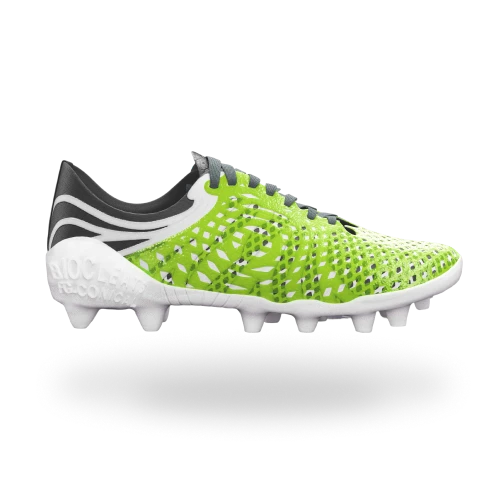
Our performance: what happens when feet move the way they were built to

Read Study

The problem

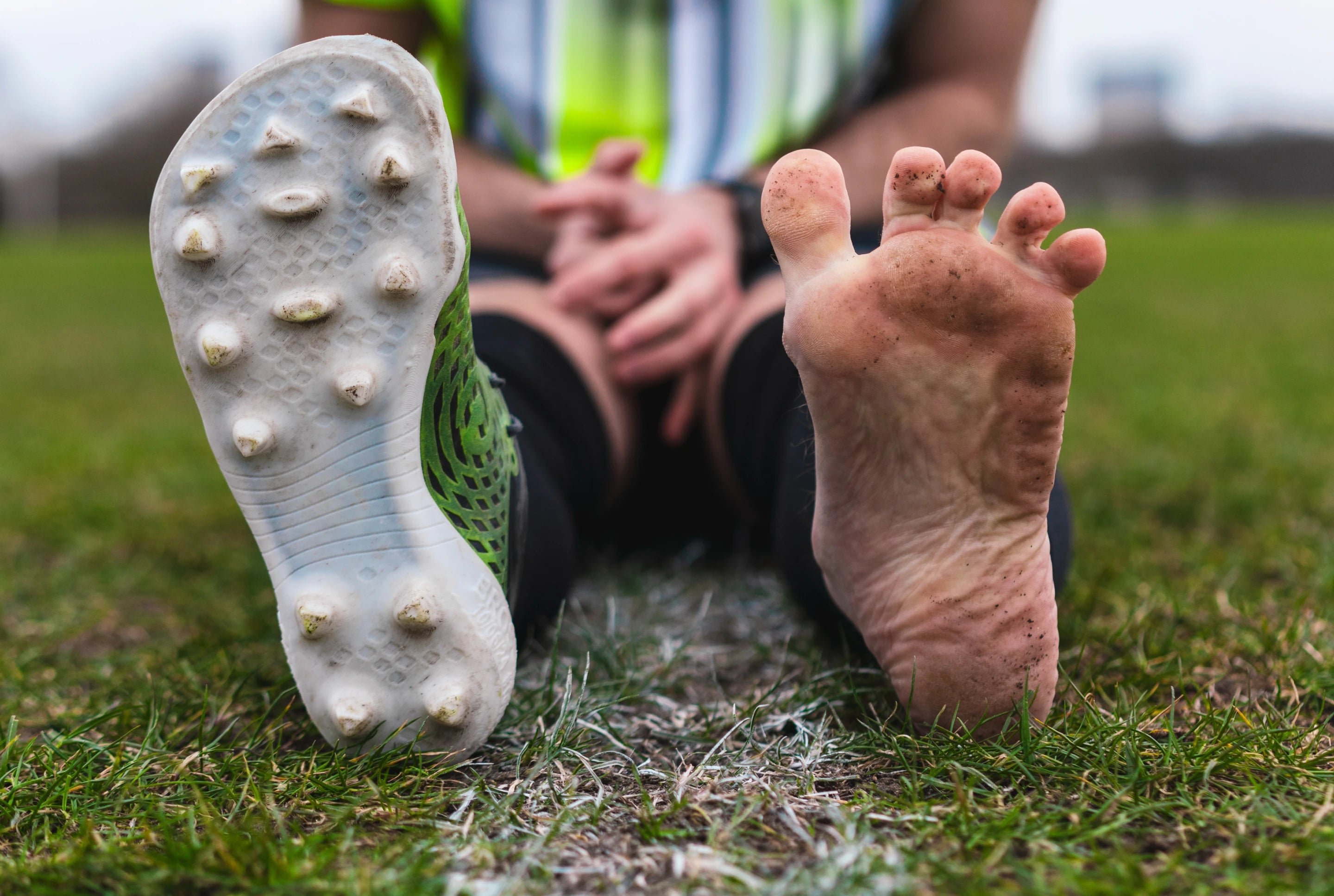
Traditional boots are built on a single last, one mould stretched across millions of feet. To fit it, your foot has to compress: the toes squeeze together, the arch loses its splay, and the small muscles that should be doing the work switch off. Over a career of training and matches, that compression doesn't just feel wrong, it gradually weakens the foot underneath you.

The difference

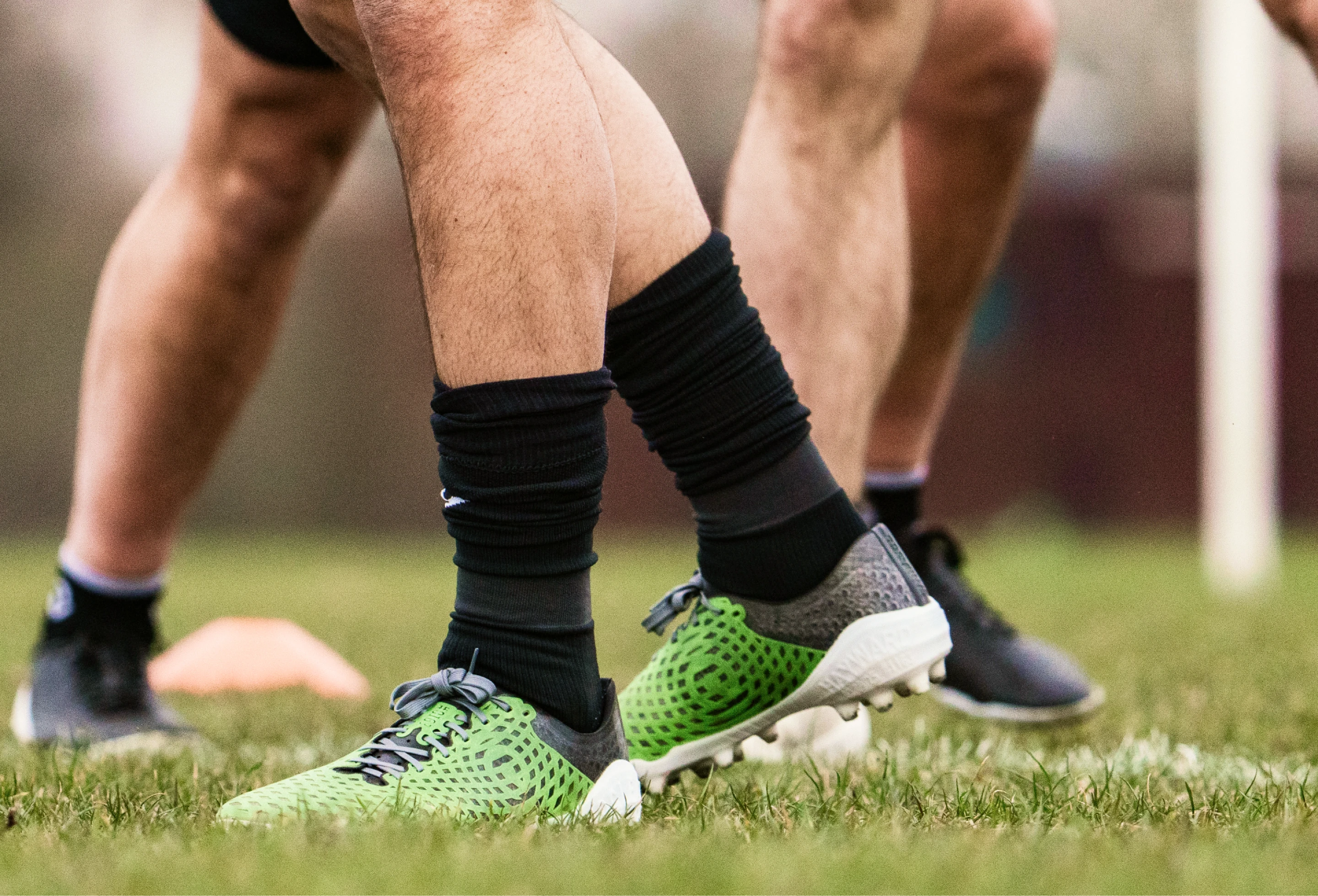
AthLast builds the opposite. A wide toe box lets your toes spread and puts the two muscles that splay them to work — the same muscles that measure larger in people who wear foot-shaped footwear⁶. A zero-drop platform keeps your foot in its natural position, and a thin, flexible TPU plate sharpens the ground feel that drives quicker, more precise movement. Feet get measurably stronger when footwear lets them work¹ — the same principle, engineered into a boot made for your exact foot

57%

Increase in foot strength after six months in minimal footwear¹

53%

Higher performance rating within a season, athletes surveyed²

17%

Of running's mechanical energy stored and returned by your arch³

Performance comes from the foot up

Five things a foot does: sense, splay, spring, drive, adapt. A boot built to your foot instead of an average of a million feet lets all five happen at once.
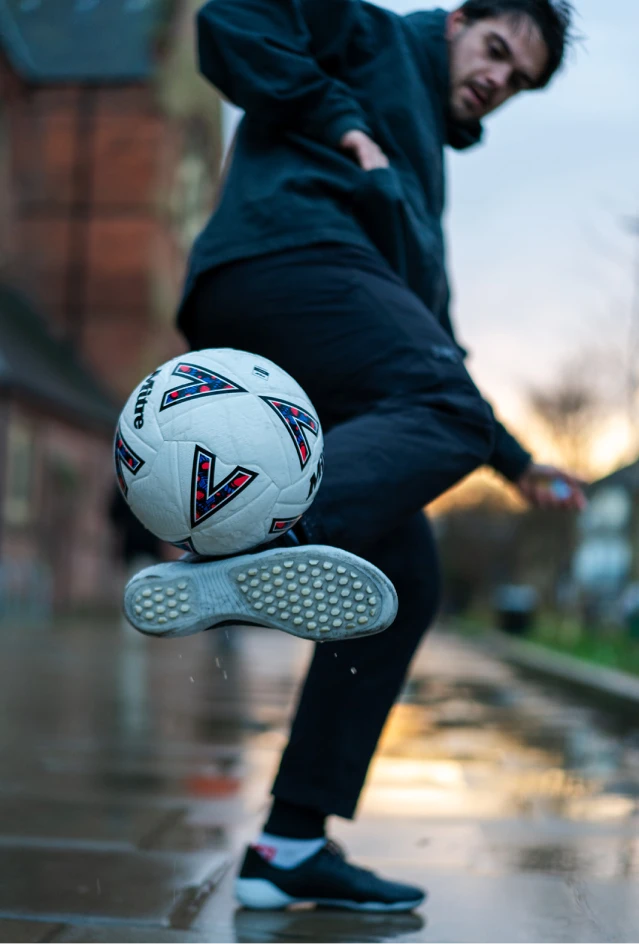
Feel the surface, not the shoe

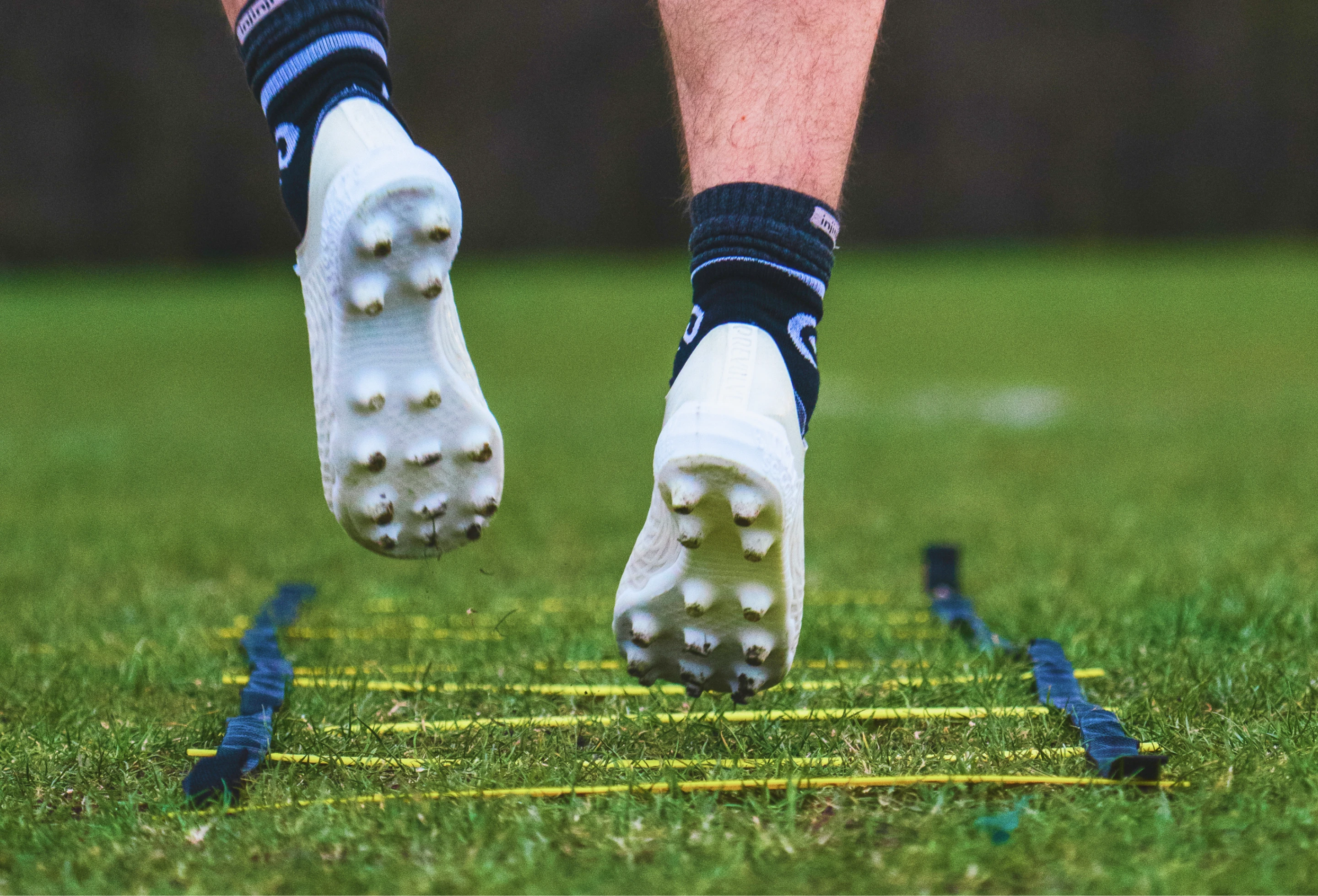
Your soles are dense with nerve endings built to read the ground — pressure, slip, the angle of the surface — and that feed is part of how you stay balanced. Traditional boots bury it under a thick, rigid sole. A thin, flexible plate lets it through, so you plant on instinct instead of reacting after the fact.

0mm

Zero-drop platform
Zero-drop platform

1

Plate tuned to your foot strength

360°

Ground feel
Ground feel

Room where your toes actually need it

Toes are meant to spread under load. That splay widens your base and lets the two muscles that run along the edges of your foot do their job — the same two that measure larger in people who wear minimal footwear, alongside higher and stiffer arches. A tapered toe box holds both of them short. Your toe box is scanned from your foot, so it doesn't.

2

Muscles that splay your foot⁶

100%

Of the toe box shaped from your own scan

0

Break-in required
Break-in required

Your arch is a spring, not a cushion

Your arches, plantar fascia and Achilles work as one elastic system: it compresses when you land, stores that energy, and returns it when you push off. That only happens if the arch is allowed to deform and recoil. Support it artificially and you take the load — and the training stimulus — away from the tissue that should be carrying it.

17%

Of running's energy stored and returned by your arch³

3

Arches working as one spring

0mm

Heel-to-toe drop working against it

Force leaves your body through your toes

The toes aren't passengers. They're on the ground for about three-quarters of every step, at pressures comparable to the ball of your foot. In collegiate American football players, toe-pushing force tracked with pro-agility and 3-cone times — but not with straight-line sprint. Cutting and planting, specifically. Which is what a boot is for.

3/4

Of stance phase your toes are on the ground⁴

+6cm

Standing jump after 7 weeks of toe-flexor training⁵

100%

Of athletes surveyed rated performance higher²

A different athlete underneath you

Feet respond to load like any other muscle. Six months of daily activity in minimal footwear raised foot strength by an average of 57%, and in a randomised trial simply walking in minimalist shoes worked as well as dedicated foot-strengthening exercises. The catch is that adaptation takes time you can't skip — which is what the Foot Assessment is for.

57%

Foot strength gain after six months in minimal footwear¹

8.7

Performance out of 10, up from 5.7 in previous cleats²

6

Foot strength levels, each with its own 6-week program
Better balance

Toes spread, foot grips the surface, players feel planted and in control of their movement.
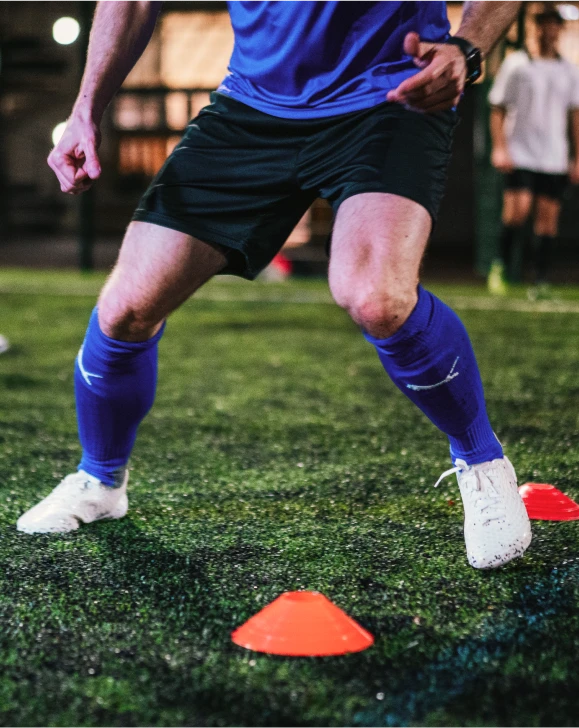
Sharper movement

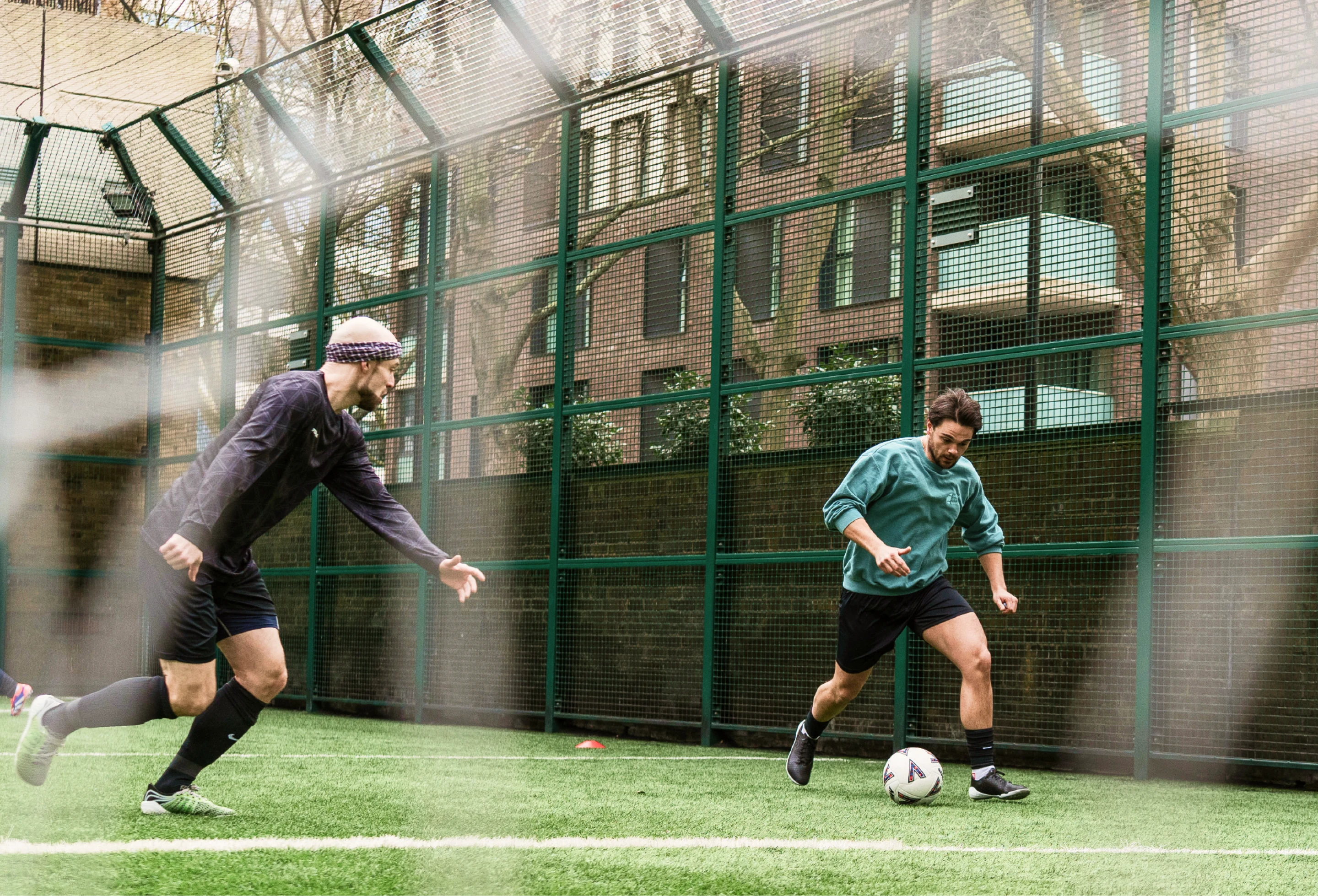
No foot sliding inside the boot, more freedom to cut, plant and change direction without the boot fighting them.
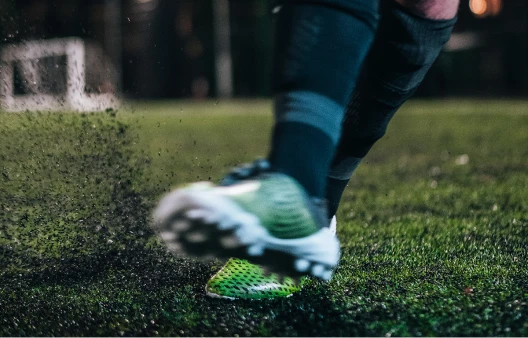
More explosiveness

Less wasted energy inside the shoe, more drive transferring into the ground on every push-off

Powered by

Find out what's holding your feet back and get $75 off any Prevolve purchase.

Powered by

Find out what's holding your feet back and get $75 off any Prevolve purchase.

4.9 from 44 Reviews

We've already helped 100s of players play their game, pain-free

  • Best boots I've ever worn
    "The moment I properly pinged a ball in them. The structure, feel and support is the highest quality. Best boots I've ever worn."
    Semi-Pro Football9/10 Performance
  • The first boots that fit my feet
    "As a skill player with wide feet, these fit and perform better than any other boots I've worn. The Prevolves help me focus completely on my game and not think about how my feet feel."
    Wide FeetHigh School American Football
  • I feel like I have no boots on
    "They help me feel the ground and push off better than ever. I feel like I have no boots on. Each pair keeps getting better and better."
    Semi-Pro BaseballGround feel
  • I haven't thought about my feet in years
    "Before the boots, I'd try to spread my toes mid-game and get the same response: cramped feet. In Prevolves, I haven't thought about my feet at all. That's the best compliment I can give them."
    Semi-Pro FootballFoot freedom